What Is Size? A Guide for Portable Monitors Buyers (2026)
As an Amazon Associate we earn from qualifying purchases. Links on this page are affiliate links.
Portable Monitor Size Explained Guide
When you shop for a portable monitor, the screen size is the first number you see. It tells you how much visual space you get. This spec is measured diagonally from corner to corner. You will see labels like 14-inch, 15.6-inch, 16-inch, 17.3-inch, 18.5-inch, 23.8-inch, or 27-inch. Understanding these numbers helps you pick the right setup for your needs.
Smaller screens, such as 14-inch or 15.6-inch models, are designed for portability. They fit easily into laptop bags. You can use them on a train, in a café, or at a small desk. The image area is compact. This makes them ideal if you travel often or have limited workspace. They add extra screen real estate without taking up much room.
Mid-range sizes like 16-inch and 17.3-inch offer a balance. They are slightly larger than standard laptop screens. This gives you more room for multitasking. You can open two windows side by side with less crowding. These sizes remain relatively light and easy to carry. They are a popular choice for hybrid workers who move between home and office.
Larger options, including 18.5-inch, 23.8-inch, and 27-inch, prioritize viewing area over mobility. A 23.8-inch or 27-inch screen provides a desktop-like experience. You get ample space for detailed work, such as video editing or complex spreadsheets. However, these units are heavier. They require a stable surface and a robust stand. You might not want to pack them into a daily commuter bag.
The term size explained helps you match the physical dimensions to your workflow. Consider how often you move the device. Think about the tasks you perform. A larger screen improves productivity for stationary work. A smaller screen supports flexibility on the go. Check the listed diagonal measurement carefully. This single number defines the physical footprint and visual capacity of the display you are buying.
Portable Monitor Size Options Compared
14 Inch
The 14-inch size is the most compact option, designed for maximum portability. The ASUS ZenScreen 14-Inch Dual-Screen Portable Monitor highlights this category with a foldable design. It is easy to carry and fits in smaller bags. The trade-off is limited screen space, which can feel cramped for multitasking. It is ideal for users who need a secondary display for quick checks or basic tasks. The compact form factor ensures it does not add significant weight to your travel kit. If your priority is minimal footprint and easy storage, this size is the most practical choice.
15.6 Inches
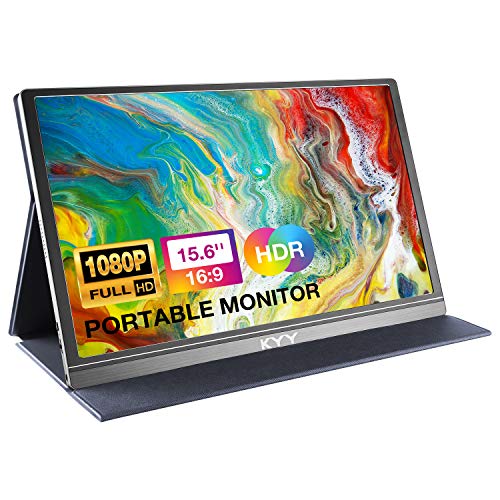
This is the most common portable monitor size, matching standard laptop screens. It offers a familiar aspect ratio for seamless extension of your primary display. The KYY 15.6-Inch 1080p Portable Monitor exemplifies this category, offering a compact form factor that weighs just 1.7 pounds. It is easy to slip into a backpack side pocket. The trade-off is limited vertical space compared to larger screens. However, its ubiquity means accessories and stands are widely available. It suits users who prioritize lightweight travel and a familiar viewing experience without significant bulk.
16 Inch
The 16-inch format often utilizes a 16:10 aspect ratio, providing more vertical height than traditional 16:9 screens. This extra space is valuable for reading documents and coding. The InnoView 16-Inch 144Hz Portable Monitor delivers high refresh rates for smooth visuals in this compact footprint. It fits users who want a larger canvas without the width of a 17-inch model. The trade-off is a slightly wider chassis than 15.6-inch units. It is ideal for productivity-focused travelers who need more vertical room for text and web browsing while maintaining a manageable weight for daily carry.
17.3 Inch
This size offers a balanced diagonal measurement, often found in mid-range portable displays. It provides more screen real estate than 15.6-inch models without becoming unwieldy. You get a wider viewing area for multitasking, which helps when splitting windows for code or spreadsheets. The trade-off is slightly increased weight and bulk compared to smaller units. It fits well on standard lap desks but may require a stable surface. If you need a middle ground between portability and workspace, this dimension serves as a practical compromise for travel and desk use.
18.5 Inch
This size bridges the gap between standard laptops and larger desktop replacements. It offers significant screen area for detailed work or media consumption. The VisionOwl 18.5-Inch 2K 120Hz Portable Monitor provides high resolution and brightness in this category. You gain more space for multitasking than 16-inch models. The trade-off is increased weight and reduced portability. It is less suited for tight backpacks and more for car travel or fixed desk setups. If you need a large, clear image for graphic design or video editing on the go, this size delivers substantial visual clarity.
23.8 Inch
This large size rivals small desktop monitors, offering extensive workspace for complex tasks. The Acer 23.8-Inch 120Hz IPS Monitor provides a smooth, high-refresh display for office work. You get ample room for multiple windows and detailed spreadsheets. The trade-off is significant bulk and weight, making it less portable. It is best suited for users who prioritize screen real estate over easy transport. It fits well in a car or on a desk but requires a sturdy surface. If you need a true desktop replacement experience in a portable form, this size offers maximum utility.
Is Size Worth Your Money
Who needs it
You should prioritize screen size if your work relies on visual clarity and multitasking. The 17.3-inch, 18.5-inch, and 23.8-inch models offer significantly more real estate than compact options. These larger displays allow you to split windows side-by-side without cramping your workflow. If you edit photos, manage complex spreadsheets, or code, the extra space reduces scrolling and zooming. The 27-inch and even the 16-inch variants provide a comfortable viewing distance that mimics a desktop experience. You will benefit from reduced eye strain because you are not squinting at small text. Larger screens also make media consumption more immersive. If you value productivity and visual comfort over carrying weight, these sizes deliver a tangible upgrade. The difference in workspace is immediate and noticeable during daily tasks.
Who can skip it
You can ignore larger sizes if your primary goal is maximum portability. The 14-inch and 15.6-inch monitors are designed for travelers who need a secondary display in tight spaces. If you frequently commute or work in cafes, the bulk of a 17.3-inch or 23.8-inch screen becomes a burden. These larger units add weight and require more bag space. You might find it difficult to fit them into standard laptop sleeves. If you only need a quick extension for emails or chat, a smaller screen is sufficient. Prioritize battery life and ease of transport instead. You will save space and energy by choosing a compact model. The trade-off is less screen real estate, but you gain mobility. For light tasks, the smaller size is the smarter, more practical choice.
Monitor Specs Glossary
Resolution
The pixel count across the screen, such as 1920x1080. Higher numbers yield sharper text and images, improving clarity for detailed work.
Refresh Rate
How many times the screen updates per second, measured in Hertz. A 60Hz rate is standard, while 120Hz offers smoother motion for video.
Panel Type
The technology behind the display, like IPS or TN. IPS panels provide better color accuracy and wider viewing angles for most users.
Connectivity
The ports used to link the monitor to your device, such as USB-C or HDMI. These determine which cables you need to carry.
Power Delivery
The ability of a cable to charge your laptop while transmitting video. This feature reduces the number of power bricks you must pack.
Display Support
How the monitor handles multiple screens. Modes like extended or mirrored determine whether you see one image or two separate workspaces.
Features
Extras built into the hardware, such as built-in speakers or USB hubs. These add convenience without requiring additional external accessories or dongles.
Use
The intended purpose of the monitor, such as gaming or office work. Your primary activity helps you select the right balance of specs.
Quick picks
| # | Product | Best for | Price |
|---|---|---|---|
| 1 | KYY 15.6-Inch 1080p Portable Monitor | Lightweight secondary display setups | Check price of KYY 15.6-Inch 1080p Portable Monitor on Amazon |
| 2 | InnoView 16-Inch 144Hz Portable Monitor | Gaming and productivity on the go | Check price of InnoView 16-Inch 144Hz Portable Monitor on Amazon |
| 3 | VisionOwl 18.5-Inch 2K 120Hz Portable Monitor | Bright, high-res 18.5-inch portable display | Check price of VisionOwl 18.5-Inch 2K 120Hz Portable Monitor on Amazon |
| 4 | Acer 23.8-Inch 120Hz IPS Monitor | Users needing a large 23.8-inch screen for office work | Check price of Acer 23.8-Inch 120Hz IPS Monitor on Amazon |
| 5 | ASUS ZenScreen 14-Inch Dual-Screen Portable Monitor | Users needing a compact dual-screen workspace | Check price of ASUS ZenScreen 14-Inch Dual-Screen Portable Monitor on Amazon |
| 6 | Anyking 15.6-Inch Detachable Portable Monitor | flexible dual-screen setups | Check price of Anyking 15.6-Inch Detachable Portable Monitor on Amazon |
Our 6 picks
KYY 15.6-Inch 1080p Portable Monitor
Best for: Lightweight secondary display setups
- Size
- 15.6 Inches (what this guide is about)
- Screen Size
- 15.6"
- Resolution
- 1920*1080
- Panel Type
- IPS
- Connectivity
- USB-C, Mini-HDMI
- Weight
- 1.7 lbs
View on Amazon: KYY 15.6-Inch 1080p Portable Monitor Affiliate link
This 15.6-inch portable monitor delivers 1080p resolution on an IPS panel. It weighs 1.7 pounds and measures 0.35 inches thick. The device includes two USB-C ports and a Mini-HDMI input. It features built-in stereo speakers and a smart cover that acts as a stand. This setup suits users needing a lightweight secondary screen for laptops or consoles.
Pros
- 15.6-inch IPS display with 1920x1080 resolution
- Lightweight 1.7-pound design for easy portability
- Dual USB-C and Mini-HDMI connectivity
- Built-in stereo speakers and 3.5mm audio jack
Cons
- Uses Mini-HDMI instead of standard HDMI
- No mention of high refresh rate support
- Only two USB-C ports available
Good fit if
- You need a lightweight screen under 2 pounds
- You want a monitor with built-in speakers
- You use devices with USB-C video output
Skip if
- You require a standard HDMI connection
- You need a high refresh rate for gaming
- You prefer a larger 17-inch or bigger display
Verdict: KYY 15.6 Inch Portable Monitor offers a compact 1080p IPS screen for users prioritizing portability. It fits buyers who need a lightweight secondary display with basic audio features.

InnoView 16-Inch 144Hz Portable Monitor
Best for: Gaming and productivity on the go
- Size
- 16 Inch (what this guide is about)
- Screen Size
- 16"
- Resolution
- 1920x1200
- Refresh Rate
- 144Hz (HDMI: 120Hz)
- Panel Type
- IPS
- Connectivity
- USB-C, HDMI
View on Amazon: InnoView 16-Inch 144Hz Portable Monitor Affiliate link
This InnoView portable monitor features a 16-inch IPS display with a 1920x1200 resolution and a 144Hz refresh rate. It offers a 16:10 aspect ratio for extra vertical space. The unit weighs 1.73 pounds and connects via USB-C and HDMI. It supports FreeSync and includes a built-in crosshair for gaming. It suits travelers and gamers seeking smooth visuals on the go.
Pros
- 144Hz refresh rate for smooth motion
- 1920x1200 resolution with 16:10 aspect ratio
- IPS panel with wide viewing angles
- Lightweight 1.73 lb design
Cons
- HDMI connection limits refresh rate to 120Hz
- No built-in speakers mentioned in data
- Requires separate adapter for some connections
Good fit if
- You want high refresh rate gaming on a laptop
- You need extra vertical screen real estate
- You travel frequently with a console or PC
Skip if
- You require a native 144Hz refresh rate over HDMI
- You need a monitor with built-in speakers
- You prefer a larger 17.3-inch or bigger screen
Verdict: InnoView 16" 144Hz Portable Monitor delivers smooth 144Hz visuals via USB-C for gamers who value portability and screen height. It fits users who prioritize high refresh rates and a 16:10 display for productivity or gaming on the move.

VisionOwl 18.5-Inch 2K 120Hz Portable Monitor
Best for: Bright, high-res 18.5-inch portable display
- Size
- 18.5 Inch (what this guide is about)
- Screen Size
- 18.5
- Refresh Rate
- 120Hz
- Connectivity
- USB-C, HDMI
- Color Gamut
- 120% sRGB
- Weight
- 2.67 pounds
View on Amazon: VisionOwl 18.5-Inch 2K 120Hz Portable Monitor Affiliate link
This 18.5-inch portable monitor delivers 2K QHD resolution and a 120Hz refresh rate for clear, smooth visuals. It reaches 500 nits brightness and covers 120% sRGB for vibrant colors. The metal backplate aids heat dissipation, and it includes built-in speakers. Weighing 2.5 lbs, it suits travelers needing a bright, high-resolution second screen for work or gaming.
Pros
- 2K QHD resolution for sharp detail
- 120Hz refresh rate for smooth motion
- 500 nits peak brightness for bright rooms
- 120% sRGB color gamut for accurate colors
- Built-in speakers and VESA mountable design
Cons
- Heavier than 15.6-inch models at 2.5 lbs
- Requires power adapter for maximum 500 nits brightness
- No mention of HDR certification in specs
Good fit if
- You want a larger 18.5-inch screen with 2K clarity
- You need high brightness for well-lit environments
- You prefer a metal backplate for better heat dissipation
Skip if
- You prioritize the lightest possible portable weight
- You only need 1080p resolution
- You want a smaller 15.6-inch footprint
Verdict: VisionOwl 18.5 Inch 2K Portable Monitor fits users who need a bright, high-resolution 18.5-inch screen for travel or desk setups.

Acer 23.8-Inch 120Hz IPS Monitor
Best for: Users needing a large 23.8-inch screen for office work
- Size
- 23.8 Inch (what this guide is about)
- Screen Size
- 23.8"
- Resolution
- 1920 x 1080
- Refresh Rate
- 120Hz
- Panel Type
- IPS
- Connectivity
- HDMI, VGA
View on Amazon: Acer 23.8-Inch 120Hz IPS Monitor Affiliate link
The Acer KB242Y G0bi is a 23.8-inch monitor with a 1920x1080 IPS panel and 120Hz refresh rate. It features Adaptive-Sync support for smooth motion and a 1ms response time. The zero-frame design maximizes screen visibility. This 16:9 display suits office tasks and media viewing. It offers a large canvas for multitasking without the bulk of a traditional desktop setup.
Pros
- 23.8-inch 1920x1080 IPS display
- 120Hz refresh rate with Adaptive-Sync
- 1ms response time for smooth motion
- Zero-frame edge-to-edge design
Cons
- 250 nits brightness is lower than many portable options
- No USB-C connectivity listed for power or video
- Fixed stand dimensions limit portability compared to foldable designs
Good fit if
- You need a large 23.8-inch screen for detailed work
- You want a 120Hz refresh rate for smoother visuals
- You prefer an IPS panel for accurate colors
Skip if
- You require USB-C connectivity for single-cable setup
- You need a monitor under 20 inches for easy travel
- You want a built-in battery for wireless use
Verdict: Acer 23.8 Inch 120Hz IPS Monitor provides a large, smooth display for office work. It fits users who prioritize screen real estate and motion clarity over compact portability.

ASUS ZenScreen 14-Inch Dual-Screen Portable Monitor
Best for: Users needing a compact dual-screen workspace
- Size
- 14 Inch (what this guide is about)
- Screen Size
- 14"
- Resolution
- 1920 x 1200
- Panel Type
- IPS
- Connectivity
- Mini-HDMI, USB Type-C
- Aspect Ratio
- 16:10
View on Amazon: ASUS ZenScreen 14-Inch Dual-Screen Portable Monitor Affiliate link
The ASUS ZenScreen Duo MB14FCD combines two 14-inch IPS panels into a single 14-inch foldable unit. It delivers 1920 x 1200 resolution on each screen with a 16:10 aspect ratio. This creates a 21-inch total workspace. It connects via mini-HDMI and dual USB-C ports. The design includes a tripod mount and kickstand for flexible positioning.
Pros
- Dual 14-inch IPS panels provide a 21-inch total workspace
- 1920 x 1200 resolution on each screen for clear detail
- Foldable hinge and tripod mount allow landscape or portrait use
- USB-C pass-through charging powers the monitor and laptop
Cons
- Heavier at 2.65 pounds compared to standard single 14-inch portable monitors
- Requires specific DisplayWidget Center software for auto-rotate functionality
- Uses mini-HDMI instead of standard full-size HDMI port
Good fit if
- You need a large combined workspace in a compact folded size
- You want to rotate screens between landscape and portrait orientations
- You prefer a single cable connection for power and data
Skip if
- You require a standard HDMI port without an adapter
- You need a lightweight setup under 2 pounds for frequent travel
- You prefer a single large screen over a dual-panel layout
Verdict: ASUS ZenScreen Duo 14-inch Foldable Dual Monitor offers a unique 21-inch workspace in a portable form factor. It suits users who need flexible orientation and high resolution in a dual-screen setup.

Anyking 15.6-Inch Detachable Portable Monitor
Best for: flexible dual-screen setups
- Size
- 15.6 Inches (what this guide is about)
- Screen Size
- 15.6"
- Resolution
- FHD
- Panel Type
- IPS
- Connectivity
- USB-C, HDMI, USB
- Weight
- 1.52 lb (screen), 2.84 lb (extender)
View on Amazon: Anyking 15.6-Inch Detachable Portable Monitor Affiliate link
This Anyking M5 extender adds a 15.6-inch FHD IPS screen to your laptop. It weighs 2.84 lb and folds flat for travel. You connect via USB-C or HDMI. The detachable design lets you use the screen separately with the included stand. It fits 13–17.3 inch laptops. This setup suits users who need extra screen space without carrying a heavy desktop monitor.
Pros
- 15.6-inch FHD IPS display
- Detachable screen with 360° stand
- USB-C and HDMI connectivity
- Supports 100W pass-through charging
- Fits 13–17.3 inch laptops
Cons
- Heavier than standard 15.6-inch portable monitors
- No built-in speakers mentioned
- External power adapter not included
Good fit if
- You want a detachable second screen
- You travel with a 13–17.3 inch laptop
- You need portrait or landscape orientation options
Skip if
- You prefer a single lightweight panel
- You need a built-in battery
- You require a 144Hz refresh rate
Verdict: Anyking 15.6" Detachable Portable Monitor offers a unique detachable design for users who need flexible screen positioning. It is ideal for travelers who want to separate the display from their laptop base.
Specifications side by side
| Spec | KYY 15.6-Inch 1080p Portable Monitor | InnoView 16-Inch 144Hz Portable Monitor | VisionOwl 18.5-Inch 2K 120Hz Portable Monitor | Acer 23.8-Inch 120Hz IPS Monitor | ASUS ZenScreen 14-Inch Dual-Screen Portable Monitor | Anyking 15.6-Inch Detachable Portable Monitor |
|---|---|---|---|---|---|---|
| Screen Size | 15.6" | 16" | 18.5 | 23.8" | 14" | 15.6" |
| Resolution | 1920*1080 | 1920x1200 | not stated | 1920 x 1080 | 1920 x 1200 | FHD |
| Refresh Rate | not stated | 144Hz (HDMI: 120Hz) | 120Hz | 120Hz | not stated | not stated |
| Panel Type | IPS | IPS | not stated | IPS | IPS | IPS |
| Connectivity | USB-C, Mini-HDMI | USB-C, HDMI | USB-C, HDMI | HDMI, VGA | Mini-HDMI, USB Type-C | USB-C, HDMI, USB |
| Color Gamut | not stated | not stated | 120% sRGB | 99% sRGB | not stated | not stated |
| Aspect Ratio | not stated | 16:10 | not stated | 16:9 | 16:10 | not stated |
| Weight | 1.7 lbs | 1.73 lbs | 2.67 pounds | 7.72 lbs | 2.65 pounds | 1.52 lb (screen), 2.84 lb (extender) |
| Features | Built-in Speakers, HDR | not stated | Built-in Speakers, VESA Mountable, HDR, Kickstand | VESA Mountable | Foldable | Kickstand |
| Use | Travel, Gaming | Travel, Gaming | Travel | Office | not stated | not stated |
| Size | 15.6 Inches | 16 Inch | 18.5 Inch | 23.8 Inch | 14 Inch | 15.6 Inches |
| Dimensions | 8.85 × 14.5 × 0.35 inches | 0.6 × 14.1 × 9.55 inches | 0.59 × 16.6 × 10 inches | 4.53 × 21.2 × 16.7 inches | 0.75 × 12.4 × 8.43 inches | 14.8 × 9.1 × 1.3 inches |
| Color | Grey | Black | Black | Black | BLACK | 15.6" Pure Black |
| Model | K3 | INVPM401 | V185QH | UM.QK2AA.003 | MB14FCD | M5 |
Frequently asked questions
How do I measure a portable monitor size?
Measure the screen diagonally from one corner to the opposite corner. This standard method ensures you compare apples to apples. For example, the KYY 15.6-Inch model measures 14.5 inches wide and 8.85 inches long. Always check the diagonal number to understand the actual viewing area you get.
Does a 16-inch monitor offer more vertical space than 15.6-inch models?
Yes, many 16-inch displays use a 16:10 aspect ratio. This provides more vertical pixels than the standard 16:9 ratio found in 15.6-inch screens. The InnoView 16-Inch model delivers a taller view. This extra height helps you see more document content or code without scrolling as often.
What is the difference between 18.5-inch and 23.8-inch portable monitors?
The 18.5-inch size, like the VisionOwl model, balances screen real estate with portability. It weighs 2.5 pounds and fits in travel bags. The 23.8-inch Acer model is much larger, measuring 21.2 inches wide. It prioritizes desktop-like workspace over easy carrying, making it heavier and bulkier.
Can a 14-inch monitor provide a dual-screen experience?
Some 14-inch models feature foldable designs that act as two screens. The ASUS ZenScreen Duo combines two displays into one 14-inch device. When unfolded, it offers a 21-inch total workspace. This setup gives you dual-monitor benefits while maintaining a compact footprint for travel or small desks.
How does detachable design affect monitor size and usage?
A detachable design separates the display from the base. The Anyking 15.6-Inch model uses this approach. It allows you to position the screen independently from your laptop. This flexibility helps you arrange your workspace for better ergonomics. The screen remains a standard 15.6-inch diagonal size.
Is a 23.8-inch monitor considered portable?
It is portable but heavy. The Acer 23.8-Inch model measures 16.7 inches in height. It is designed for users who need large screen real estate. You sacrifice compactness for a desktop-like experience. It fits office work scenarios where you move the monitor occasionally rather than daily.